What gets measured is what gets done: A vision for a new statewide accountability system

By Don Haddad, Ed.D., Superintendent

With over 90% of our nation’s children enrolled in a public school, our K-12 public education system has one of the largest impacts on the future growth and success of our communities, state, and nation. However, our current model of how we measure the quality of our schools and hold our districts accountable for advancing excellence falls woefully short of what is needed for Colorado students to maintain a strong competitive advantage in our complex, highly competitive, and globalized world. What should Coloradans expect and prioritize in their state K-12 accountability system to ensure high expectations, rigor, and a strong return on investment for one of our state’s most important assets? 

In the Legislative Audit Committee’s recent release of an evaluation of Colorado’s K-12 education accountability system, I believe that the auditors subjectively describe the state’s current accountability system as being “reasonable” and “working as designed,” however, it appears that the actual data in the report is in conflict with this description and demonstrates trends that should be of significant concern to all Coloradans. For example, the current accreditation system is designed to measure only outputs of student performance and does not account for the quality of inputs such as the programming, innovation, and instructional practices known to advance student achievement. When a standardized test is the dominant measure of school performance, there is a statistically significant difference in test score outcomes among the student sub-groups of those living in poverty and higher percentages of students with disabilities. This is true even in schools and districts with the highest accreditation ratings. This was clearly identified in the audit report and demonstrates that our accountability system is ignoring poverty and other important factors known to negatively influence test scores. This means that our system is not accurately measuring the quality of a school and the education students are receiving. Simply put, our current accreditation system measures family wealth instead of school quality.

We know that what gets measured is what gets done. The measures from which our public education systems are evaluated are where resources are mostly allocated, but if we aren’t measuring the right things, we are not leveraging our investments to drive innovation and the skills that our economy requires in this modern era. The measures of school accountability have gone widely unchanged for decades, while technology has advanced at an exponential rate, and as other industries in society continue to evolve to meet the pace of innovation. 

Given the misleading nature and narrow definition of success within the current system, educators may feel compelled to implement practices with the limited objective of raising a single test score, which can result in not providing students with a robust, comprehensive, and engaging educational experience. Thus, the system disincentivizes innovative programming, career pathways, advanced coursework, and rigorous graduation requirements – all key elements that are known to not only advance success for all students, but also to strengthen the economy and workforce pipeline, improve the quality of the service industry, increase intellectual capital and entrepreneurship, and foster a stronger Colorado for all.

It is time to design a new accountability system that isn’t simply “reasonable” for Colorado students, but rather exceptional. In addition to high standards and measures that include standardized assessment, we need to broaden our definition of school quality to provide opportunities for students, and equitably resource districts so that all students can thrive in our accelerated future. This should include accountability measures that incentivize rigorous graduation requirements, advanced coursework, workforce pathways, the recruitment and retention of a diverse and effective teaching staff, matriculation data of students entering quality postsecondary programs, participation in co-curricular activities and athletics, access to visual and performing arts programs, the financial stability of the district, the quality and safety of school facilities, and so much more. In addition to a single test score, these are also critical measures of the quality of a child’s education, and more accurately reflect the impact of a school or district. The data in the audit report also confirms much of this, reporting that schools with a higher number of Advanced Placement (AP) courses and Career and Technical Education pathways correlated to higher student test scores, while acknowledging that schools that primarily serve higher proportions of students in poverty had fewer of these opportunities. 

Our students deserve more than a “reasonable system,” but one that is highly effective and equitably demonstrates the potential and capacity of all students. Hard work, ingenuity, creativity, innovation, well-developed social skills, and self-confidence are important characteristics of those who succeed at the highest levels. We have numerous students and teachers in our public school systems who work tirelessly to overcome the challenges presented by a single standardized test score in order to thrive. This can only happen when students are provided extended opportunities that allow them to hone other important skills not prioritized or measured by our state accreditation framework. 

The future of our state and nation is in our public schools, and it is time that our accreditation system accurately reflects what is necessary to ensure a stronger future for all Coloradans, and ensure the best return on our state’s significant investment in our public schools. In closing, I have three simple questions that everyone must ask themselves. Does anyone not believe that poverty is a significant factor that negatively influences the results of a single standardized test score? Does anyone believe that taking an arbitrarily determined timed test in a language that is not your primary language, doesn’t have a negative impact on a single standardized test score? Does anyone believe that a disability won’t negatively impact your ability to score higher on a single standardized test? In recognizing the obvious answer to these questions, it is my hope moving forward that we can engage in a meaningful, productive dialogue designed to enhance our current accountability system, something that would benefit everyone in our society.

SVVSD P-TEACH authorized as Teacher Apprenticeship Program

St. Vrain Valley Schools’ P-TEACH Program has received federal authorization as a PK-12 Teacher Apprenticeship Program, the district announced Thursday.

The authorization will give students the opportunity to receive paid employment while they earn college credits, said Diane Lauer, the school district’s assistant superintendent of priority programs and academic support.

SVVSD Unified Bowling Season Concludes After Two Teams Compete at State Championship

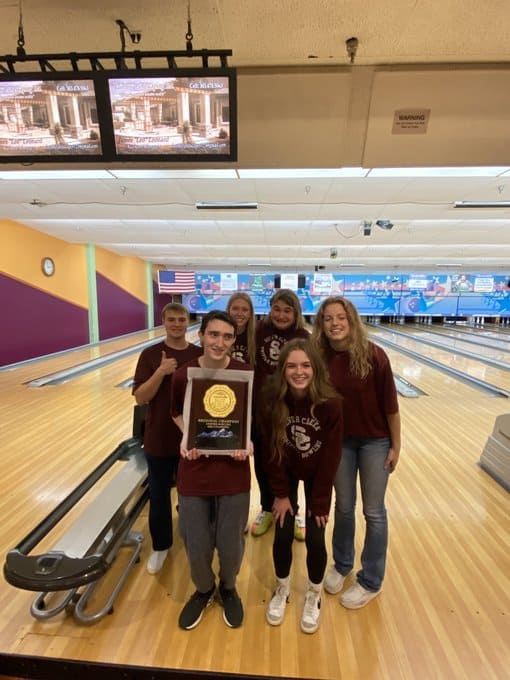
Unified Bowling students from Silver Creek HS pose for a picture with their trophy
Regional Unified Bowling Champions from Silver Creek HS. Front row, left to right: Josh Jones and Grace Lacrosse. Back row, left to right: Ethan Newby, Elora Groeninger, Bryan Newby, and April Conilogue.
(Grace and Elora are two students in SCLA who chose unified sports as their Capstone project.)

Unified Bowlers from Silver Creek High School (SCHS) and Mead High School (MHS) should be proud of their efforts at the CHSAA State Unified Bowling Championship that took place on November 18 at AMF Belleview Lanes. 

Silver Creek High School earned first place at the Regional Championship and placed fourth, with a score of 545, at the State Championship. They trailed only 23 points behind Pueblo Schools (Pueblo Central [594], Pueblo South [579] and Pueblo Centennial [568]) who earned the top three spots in this year’s championship. 

Ericka Pilon, math teacher and unified bowling coach at SCHS, shared that unified bowling is important because it brings everyone together and it allows students with special needs to be included and show their skills.

Unified bowling contributes to student success and makes student athletes and mentors feel valued. “The self esteem boost it has brought to these students while they cheered on their athletes was tremendous to watch. Everyone has a purpose in this program. The relationships that were formed between the athletes and the mentors was the best part of this program,” Pilon shared. 

Mead High School placed third at the Regional Championship and 15th, with a score of 315, at the State Championship. Niwot High School placed second at the Regional Championships, but were unable to compete at the State Championships, due to a weather related school closure. 

Team Collaboration is Important to New Assistant Director of Special Education

Alyse Fieldgrove posing for picture

St. Vrain Valley School District Special Education Department welcomes Alyse Fieldgrove into her new position as Assistant Director of Special Education focusing on out of district placements. 

The district is currently transitioning the Sierra School Program into a district operated model and this new district program is one of Fieldgrove’s primary focuses. “My goal is to provide leadership and guidance across our continuum of services, providing a special focus on the needs of our center based programs and our other separate school programs,” Fieldgrove said. 

After teaching in a center based Autism Spectrum Disorder (ASD) program in a different district for five years, Fieldgrove joined SVVSD and has been with the district seven years. She started as a behavioral specialist at Main Street School and then transitioned to the instructional coaching team as an autism specialist. 

Fieldgrove enjoys working in education because of her love for students, but she particularly enjoys the team collaboration around the students she supports. She said, “When a team comes together for collaboration around student needs, all the great aspects and components of public education really begin to shine.”

With a passion for education and learning, Fieldgrove attended the University of Wyoming for three years before transferring to University of Northern Colorado where she graduated with a Bachelor of Arts in interdisciplinary studies. She has a Masters from Arizona State University in curriculum and design with a concentration in applied behavior analysis. Currently, she is finishing up her Educational Specialist degree in educational leadership from University of Northern Colorado.

Fieldgrove’s ability to maintain passion for education is the one thing she is most proud of. “I feel strongly that we all can continue to learn and grow and I am excited to reflect on the learning that I have been able to engage in. Not only have the learning opportunities provided new knowledge, however through these opportunities I have been able to learn from and form strong relationships with amazing teachers, staff, parents and students,” Fieldgrove shared. 

Outside of work, Fieldgrove enjoys spending time with her husband and her four young girls (8, 5, 2 year old twins). She loves watching her children participate in the activities that they love. Her oldest daughter dances on a competitive team and her middle daughter rides her horse and competes in gymnastics. Her twins love to ride horses and copy anything they see their older sisters doing. In her own free time, she too enjoys riding and loves watching Denver Broncos football.

SWAP’s Annual Career Pathways Summit Coming to Fort Collins in February

SWAP is preparing for the Career Pathways Summit on February 24th, 2023. This event is hosted at Timberline Church (2908 S Timberline Rd, Fort Collins).   

SWAP students from seven different school districts, including St. Vrain Valley School District, will come together to participate in a day of work based learning activities that are led by the district’s business partners. 

Students will have the opportunity to choose one of seven different career pathways, such as Technology & Energy, Manufacturing, Veterinary & Animal Science, Trades, and more! Students will participate in hands on activities with 3-4 employers in each pathway, talk with field workers, and get job leads. 

After the work based learning activities students and businesses will have the opportunity to enjoy an inspirational message from guest speaker, Temple Grandin. 

SWAP looks forward to showcasing their business partners and engaging students during this incredible event! Students interested in attending should signup through their SWAP provider. For any questions, please contact Ryan Burch, SWAP coordinator, via email: [email protected] or by phone 303-702-7894.

View Flyer Here

Inspirational Teacher Uses Mindfulness to Engage Student Learning

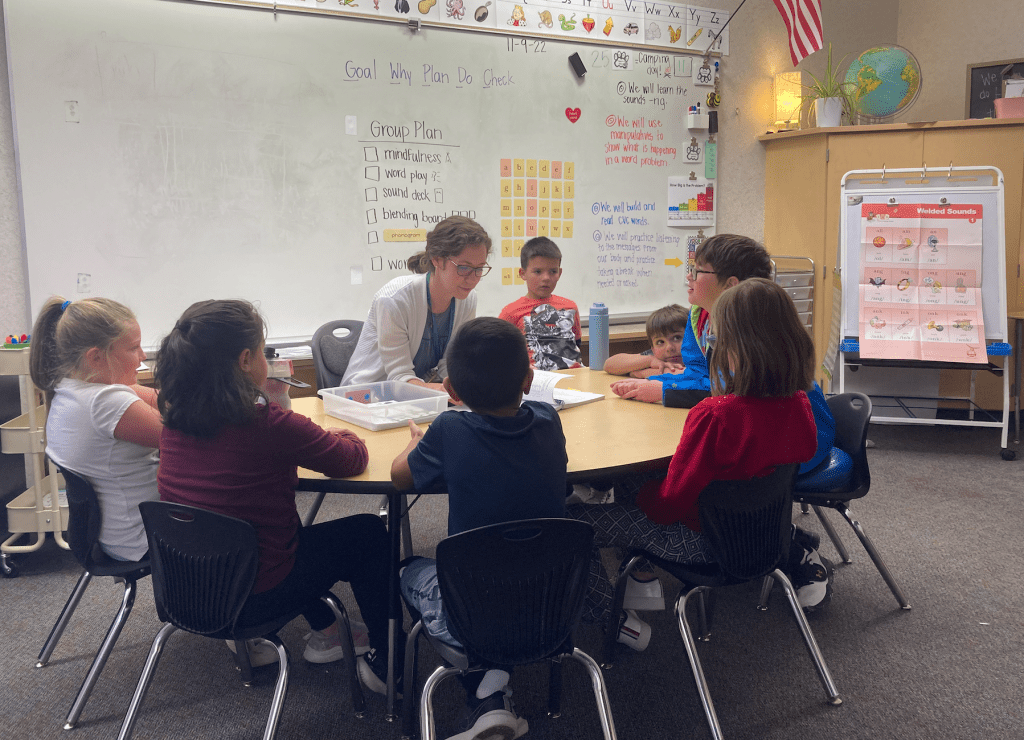
Teacher working with students in a group

If you walk into the special education resource classroom at Centennial Elementary, you will find students highly engaged and smiling during their small group lesson with Mrs. Genesee Lemon, special education teacher, who uses mindfulness techniques to empower students. 

Lemon is a standout teacher who incorporates 2-4 minutes of mindfulness techniques into her everyday lessons to set her students up for success during group time. “When my students come to my group, they are often working on the skills that are most difficult for them. It is crucial that we get them in their optimal learning zone where they are open and ready to challenge themselves as learners,” Lemon said. 

According to the Oxford Languages dictionary, mindfulness is a mental state achieved by focusing on one’s awareness on the present moment while calmly acknowledging and accepting one’s feelings, thoughts, and bodily sensations, used as a therapeutic technique. 

From work to home, mindfulness can be beneficial for all ages and in all areas of life. Lemon uses mindfulness in her personal life, and that inspired her to incorporate it into her work with students. “It makes a huge difference in my own life when I am grounded and in connection with my feelings and needs, and I want to share that skill with my students,” Lemon said. 

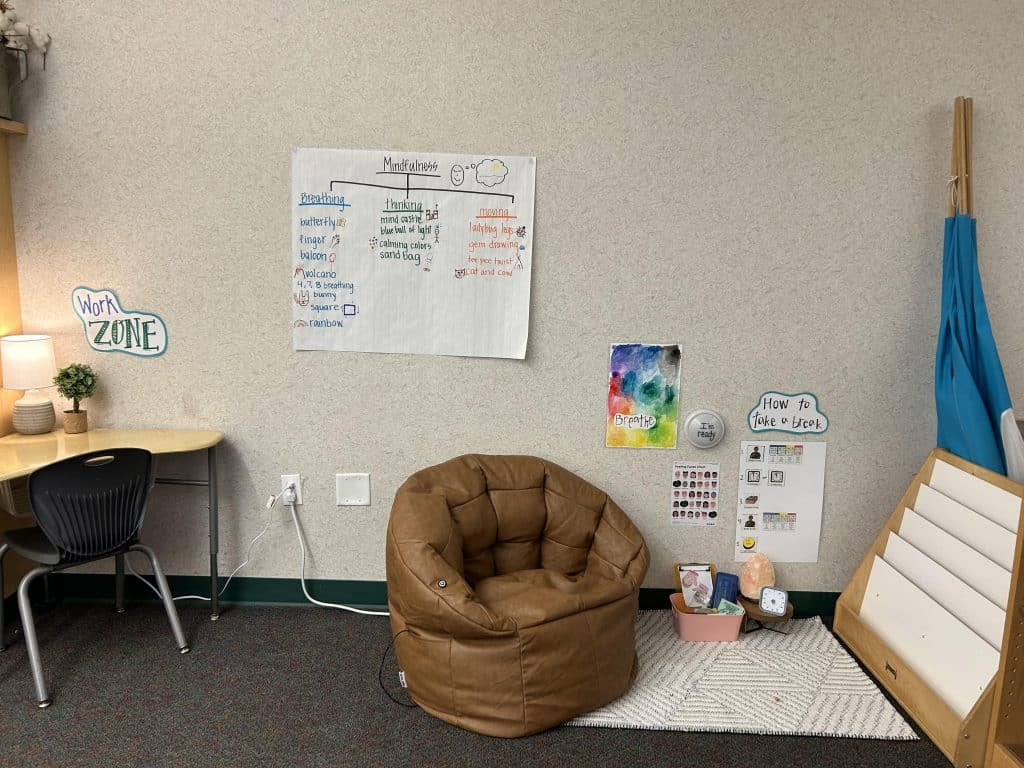
Cozy Corner where students can practice mindfulness.
Cozy Corner in Genesee Lemon’s classroom that incorporates mindfulness.

Integrating mindfulness into lesson plans doesn’t take a lot of time, but it makes a big impact on student learning. Lemon incorporates different mindfulness techniques (breathing, movement, imagery) in hopes that her students will find a practice or strategy that works for them. She hopes the strategies that students learn will carry over to the general education setting and at home when students become dysregulated, stressed, or frustrated.  

Exploring different mindfulness strategies can be fun and engaging for students. Lemon shared that she teaches students a new mindfulness activity 2-4 times a week and then gives them opportunities to choose and implement the strategies that work for them on the other days of the week. “I have an anchor chart where we keep track of the mindfulness strategies we have learned with pictures as symbols; that way they can access that resource whenever they need it.”

There are many resources available for those who want to incorporate mindfulness into their own classrooms. Lemon uses mindful cards that have descriptions and illustrations to guide the practice. She uses the following mindful cards: Mindful Kids and Little Renegades, but there are many other options that can be found online. Lemon also reads books about mindfulness to her students. Here is a link to some great books to read with students about mindfulness.

Lemon has been with the district for over 12 years and has worked as an autism team specialist, and has taught preschool, kindergarten and special education. She has a background in human development and family studies, as well as early childhood education. She earned her master’s in special education and educational equity. Her favorite thing about being a teacher is helping her students feel successful in an area that was previously difficult for them. “I want all my students to know that they are worthy and valuable no matter what is easy or difficult for them,” Lemon said. 

As you can imagine, after teaching for so many years, Lemon has many favorite teaching moments, but it’s the little things that add up for her. Lemon shared, “Seeing a student who is now greeting others when they were too afraid to speak, or seeing the student who can now blend words, and the student who understands regrouping after math group makes all the difference for me. I love that I get to be a part of the lightbulb moments with my students.”

A Legacy of Service Excellence

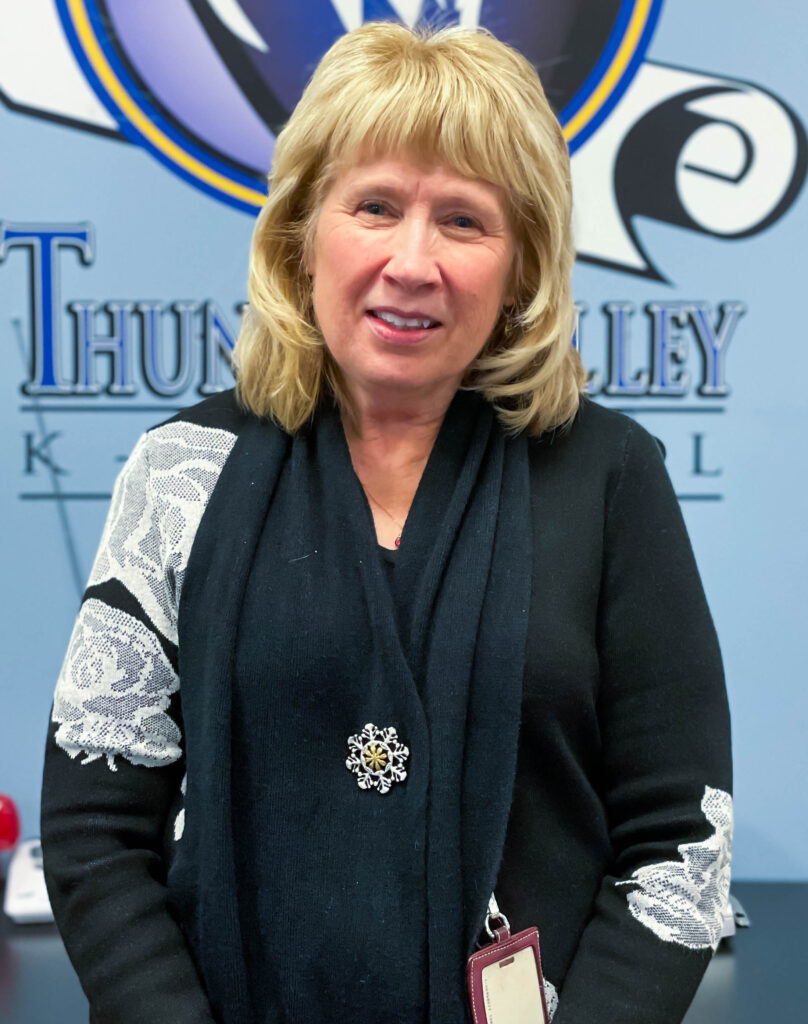
Sandy Patterson - TVK8

The office staff in a school often become the heart of the building. They are the initial point of contact for anyone that enters – whether they are students, parents, volunteers, or visitors. 

For a school registrar, working in a school office is more than maintaining student records, or helping students with their schedules, it’s about representing the school they work in. This is the case for Sandy Patterson, School Registrar at Thunder Valley K-8. “I do whatever it takes to help parents know we care,” stated Patterson. 

Regardless of the role Patterson has worked in over the last 30 years, she has made it a goal to ensure students know there will always be a friendly face to greet them. 

Working in a school setting was a calling for Patterson, “I always liked working with people,” she recalls. “When I was in high school, I spent time working as an aide at an elementary school, that’s when I decided to go into education.”

After graduating from the University of Northern Colorado with a Bachelor of Arts in Special Education, Patterson became a substitute teacher for St. Vrain Valley Schools. Over the years, she worked as the Library and Attendance Clerk at Frederick Elementary and became the school Registrar in 2013 when Thunder Valley K-8 opened.

It is important to Patterson that students know they have adults who care about them, and can guide them towards their future because, “Children spend a good part of their lives with us during their formative years, and having someone there for them is something they get in public schools,” stated Patterson.

You will often see Patterson helping parents with paperwork, giving families school tours, or covering in the office and greeting parents. She has become the face of Thunder Valley since she is the first point of contact when families enroll in school.

“Sandy has been a pillar to the Frederick community,” shared Catrina Estrada, Principal at Thunder Valley. “She goes above and beyond to take care of families during the enrollment process and she is always a friendly face willing to support students, families, and staff members.” 

Reflecting on her time at Thunder Valley, Patterson’s most memorable moments are seeing how much students grow and develop through the years. “Watching their transformation from the beginning to the end and just how much they improve and gain confidence, it’s exciting,” shared Patterson. “You know you had an impact on them when you see them as an adult and they remember you.”

As she prepares for the next chapter in her life after retirement, she is excited to spend more time with her grandchildren, go for more walks and hikes, and explore new areas. “Her dedication to making Thunder Valley a warm community will be missed,” stated Estrada.

Leading the Way to Student Growth 

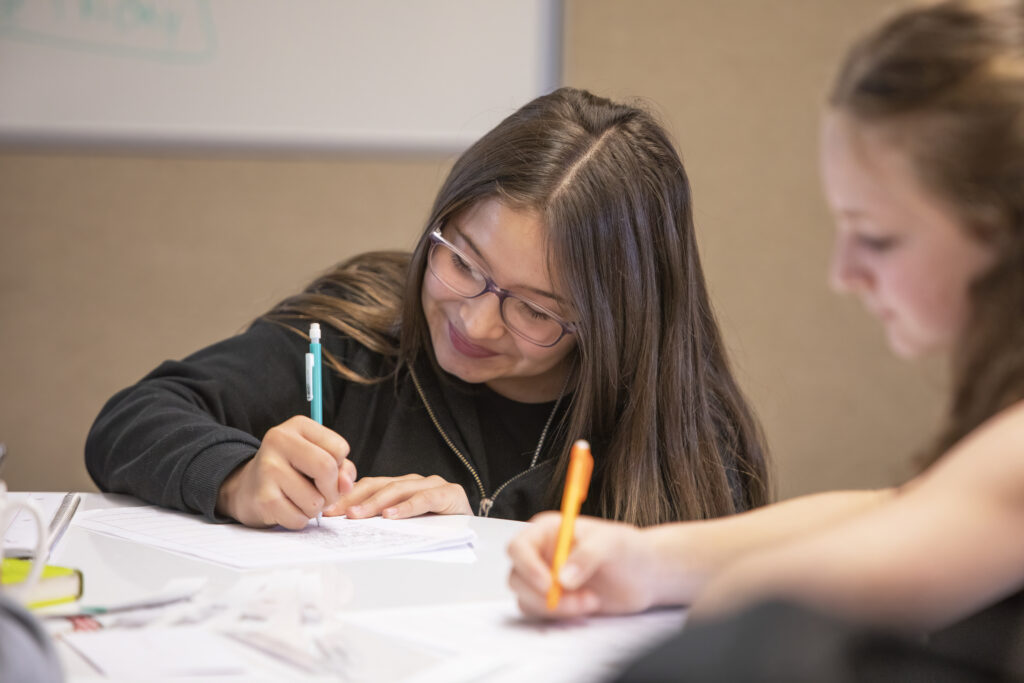
TRMS female student in class

As students transition into middle school, they discover how to make new connections and friends. Having an inviting, supportive environment that prompts in-depth learning, provides students with the skills, and confidence they need to become successful.

Students at Trail Ridge Middle School have a unique opportunity that allows them to build a strong and lasting relationship with their school principal.

This year marks the second year that Eddie Cloke, Principal of Trail Ridge Middle School has set up individual meetings with every student to help them engage in the process of their school day, and to put an emphasis on the importance of their personal academic growth.

“When the idea came to mind, I knew I wanted our students to focus on wanting to take school seriously, focus on their grades, and doing their best,” shared Cloke. “I also understood that some students needed to build a personal connection to Trail Ridge.”

During these face-to-face meetings, Cloke’s goals and hopes are to build a relationship with students, so they  know that they have trusted adults at school who care about them and their success. “I want to remind them about the importance of their education, we talk about their current grades, assessment data, and other aspects that may be pertinent to them,” stated Cloke. 

Having an open line of communication between himself and the students is a main focus of these meetings. “Students make it a point to tell me how they are progressing,” shared Cloke. “They share how they have raised a grade in a certain class, or are working hard to meet a score in iReady, and sometimes they just want to talk about their club or team sport.”

The outcome of these meetings has been beneficial in creating relationships for students like eighth grader Fernando Gurrola, who shares that being able to meet with his principal has helped build trust. “I feel a lot more comfortable talking to him if I ever need anything, we have good conversations, and the meetings help me feel better about what I’m doing,” said Fernando.

Two other important aspects of these meetings are to talk to students about their academic achievement and school engagement. After students determine and write down their goals, students are asked to share them with their parents and have them sign off on them, allowing the partnership between parents and school administrators to keep growing. This encourages students to continue moving forward towards their academic growth. 

Good relationships rely on good communication. Seventh grader Delaney Daniels has found these meetings beneficial. “The one-on-one meetings have helped me work harder to reach my goals – it’s helpful to know that my principal supports the goals that I have chosen for myself.”

For Cloke, these meetings have taught him that building relationships with his students is one of the most important things he does in his role. “The job we do as educators is so much about building relationships,” shared Cloke. “My hope is that these meetings are the catalyst for students to build strong connections with the outstanding adults we have in the building – I want them to know that we see them as individuals and to encourage them to do their very best as they make their journey through middle school.”  

SVVSD students win global artificial intelligence competition

A team of St. Vrain Valley Schools students won first place in the fifth annual World Artificial Intelligence Competition for Youth, the school district’s Innovation Center announced Thursday.

The center’s Artificial Intelligence Leadership Team competed against students from the United Arab Emirates, Australia, India, Greece and other countries in the event, which challenges young people to solve real-world problems using technology. Axel Reitzig, the center’s executive director of innovation, said he’s very proud of the local winners.“It’s fantastic — they worked very hard on this project,” he said. “They just did an outstanding job, and they were very articulate describing really advanced concepts. It was very impressive. And it wasn’t just focused on the technology — it was focused on how they are using the technology to make the world a better place.”

The Career Elevation and Technology Center of St. Vrain Valley Schools Celebrates 50 Years

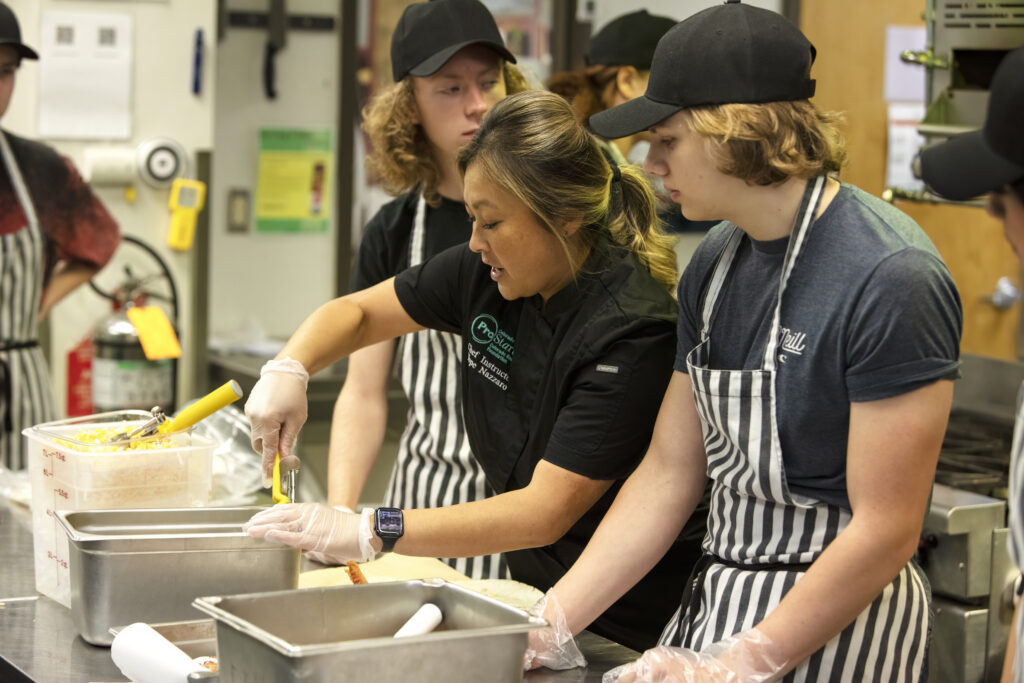
CETC Prostart Students

For over 50 years, The Career Elevation Technology Center (CETC), formerly known as Career Development Center, has provided robust career and technical opportunities for students across St. Vrain Valley Schools.

At the CETC, students have access to eight different career pathways: Advanced Manufacturing, Automotive Technology, Agricultural Science, Health Services, Interactive Media Technology, Internships, Prostart & Culinary Arts, Welding and Fabrication, and new this year Pre-Law. Seven of the eight pathways offer students the opportunity to earn multiple industry-recognized certifications. 

This past summer, the CETC underwent renovations to enhance the educational environment. For CETC Principal ToniJo Niccoli, the support they have received from their community has been overwhelming. “We are thankful to the community members for their investment in our building,” shared Niccoli. “Our teachers and staff are committed to ensuring our students are future-ready and to producing a workplace that is competitive, and can respond to our community’s needs.”

These pathways at the CETC are important for students because they provide the contextual application for what they are learning academically. “Students get to apply their knowledge in real-world environments, in areas they are passionate about,” stated Buck Webber, Assistant Principal at CETC. “Students that are enrolled in CTE programs have a graduation rate of 93% compared to the national freshman average of 80%.”

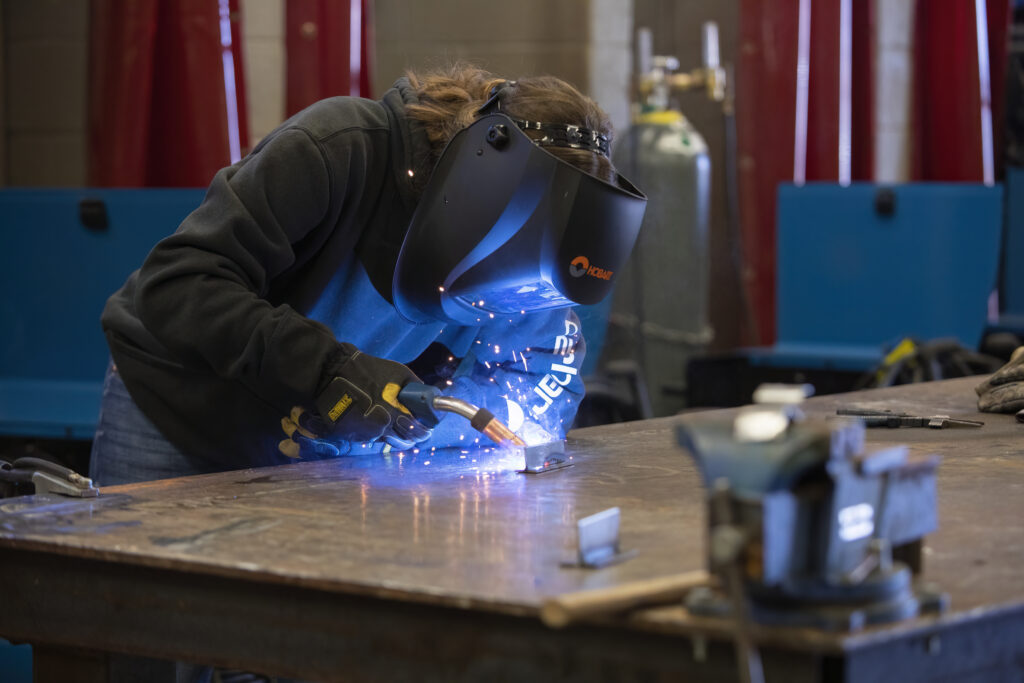
CETC Welding Student

The welding program now provides Industry Standard Recognized Welding Certifications to students. “We see students become and find a passion or profession, and we are honored when students return with inspiring stories of success and accomplishments, whether creating and running their own welding companies or being hired to welding on gas lines for Xcel Energy.” shared Bill Anthony, Welding Instructor. “These success stories of who our students are in our world, communities, and families is transformative.”

These pathways provide authentic experience and training in the skilled trades one competency at a time. “The positive impact that these programs have on students is another way for students to gain skills in teamwork, leadership, and work ethic while also boosting their self-esteem,” shared Hope Nazarro, Prostart Instructor. 

To learn more about the CETC or to see the new renovations, the CETC will be hosting tours for the community on the following dates:

  • Thursday, December 15, from 9:00 a.m. – 11:00 a.m.
  • Friday, December 16 from 1:00 p.m. – 3:00 p.m.

Community members who cannot attend but would like additional information on the individual pathways, can visit the website cetc.svvsd.org or can contact ToniJo Niccoli at 303-772-3333.

St. Vrain Valley Schools