

When I asked Miles Bowling to introduce himself, the Mead Elementary fourth grader got right to it.
“My name is Miles, and I built an adaptive playground and I have a story.”
He could tell me exactly how long the playground took to build: five years, one month and 19 days. He remembered how nervous he was at the start, when there was so much money to raise and he had no idea whether they could do it. And when he talked about getting it done, he talked about the people who said yes.
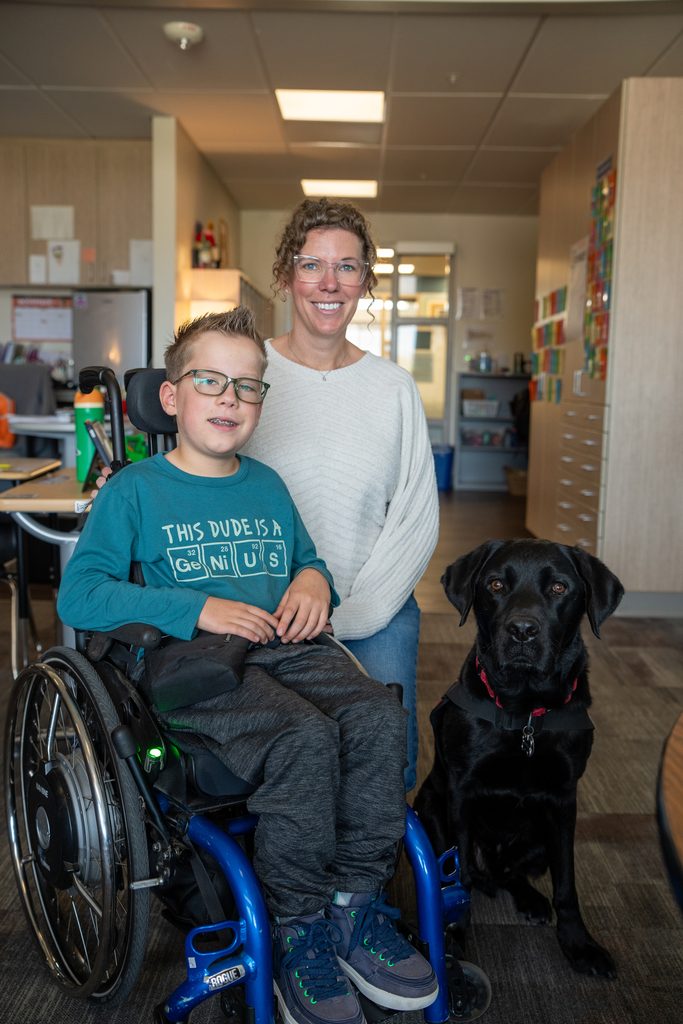
That’s what stayed with me about Miles. He had a clear sense of what he wanted to change, and he had spent years bringing other people into the work. You could hear how proud he was of what they had built together. You could also hear how much he was already thinking about what else they could do.
Miles has cerebral palsy and uses a wheelchair. For years, the closest adaptive playground his family knew of was 45 minutes away. They wanted a place close to home where Miles could swing and play alongside his brothers and friends. They started with a lemonade stand to raise money for an accessible swing at their neighborhood park. That first fundraiser brought in $11,000.
“We can go bigger than this,” Miles recalled thinking.
His family partnered with Star Playgrounds, held two lemonade stands each summer and spoke to groups about why a playground designed for children of different abilities mattered. The effort raised $1.6 million in cash. With donated goods and services, his mom, Lauren Bowling, estimates the total value of the project at $3 million.
“I’m just a mom who asked a question, and 1,001 people said, ‘Yes, how can we help?’” Lauren said.
Miles’s teacher, Anne Hobson, remembers him describing the designs, the colors and how the equipment would work. She tried to picture it as he talked. When S’Miles Playground opened in Berthoud on Sept. 5, she was there to see what he’d been telling her about.
At the Nov. 11 Board of Education meeting, a board member asked Miles which piece of equipment he was proudest of. He chose the yellow wheelchair swing. He explained how he could roll onto the platform, pull the ropes and get it moving himself.
Lauren remembered watching him use it. Miles was nine, and it was the first time he could get onto a swing and make it go on his own. At the grand opening, she watched a 35-year-old visitor have that same experience.
Miles remembers seeing teachers and friends from Mead at the opening. He also remembers spending so much of the day doing interviews that he barely got to play with his friends. After five years of telling people why it mattered for kids to be able to play together, he was ready to go play.
In Hobson’s classroom, Miles talks openly about cerebral palsy and how he does things. When he uses his standing wheelchair, classmates know to bring over his standing desk. Hobson says his willingness to share has helped students become more understanding of one another. She also knows him as the kid who sticks with a hard writing assignment and has a few good jokes ready.
“He’s pretty hilarious, too,” she said.
Miles and Lauren started working on a book after looking for one he could share with his class on Cerebral Palsy Awareness Day. They read several together, and Miles wanted one that felt like his own life. So they wrote Miles’ Mighty Adventures. Miles and his brothers shared early copies with their classes. In third grade, he read it to the whole school, which he remembers as “a little nerve-wracking.”
He brought the book to the board meeting, too. In one scene, a friend named Jack suggests changing the rules of tag so Miles can join. Some kids run, some walk and Miles moves in his wheelchair. They all get to play the same game.
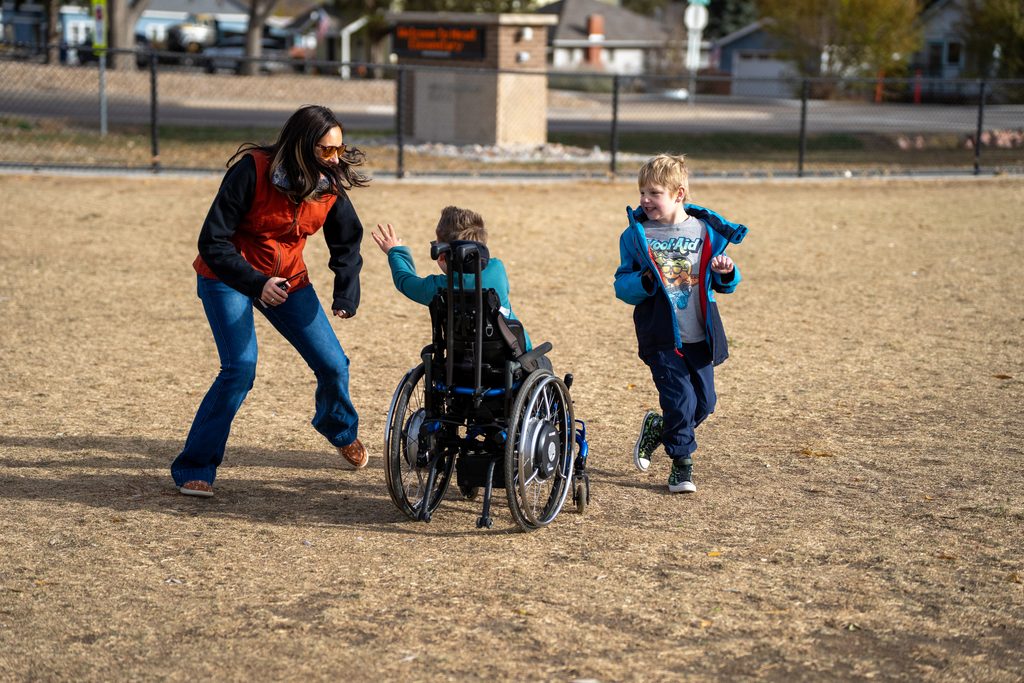
When I asked Miles what he hoped his classmates would learn from his story, he talked about understanding cerebral palsy and what it means to include someone. Then he put it in terms any kid at recess would understand. He wanted them to know that “playing with all kinds of people matters.”
Near the end of our conversation, Lauren told me that she and her husband had moved to Mead before they had children because of the schools. Years later, when they needed a home that could better accommodate Miles’s mobility needs, they found a builder in Berthoud who could make those changes. Through open enrollment, their children could keep going to Mead Elementary.
“We love our community in Berthoud. We love our house. We love where we live, but we wanted our children to go to school here,” Lauren said. “We are so incredibly grateful for this school and this community.”
That helps explain why joining student council at Mead Elementary mattered to Miles. It’s a chance to share his ideas with the classmates he’s grown up with and talk about how they can make it easier for more kids to play together. He’s already seen what can happen when people hear an idea and ask how they can help.
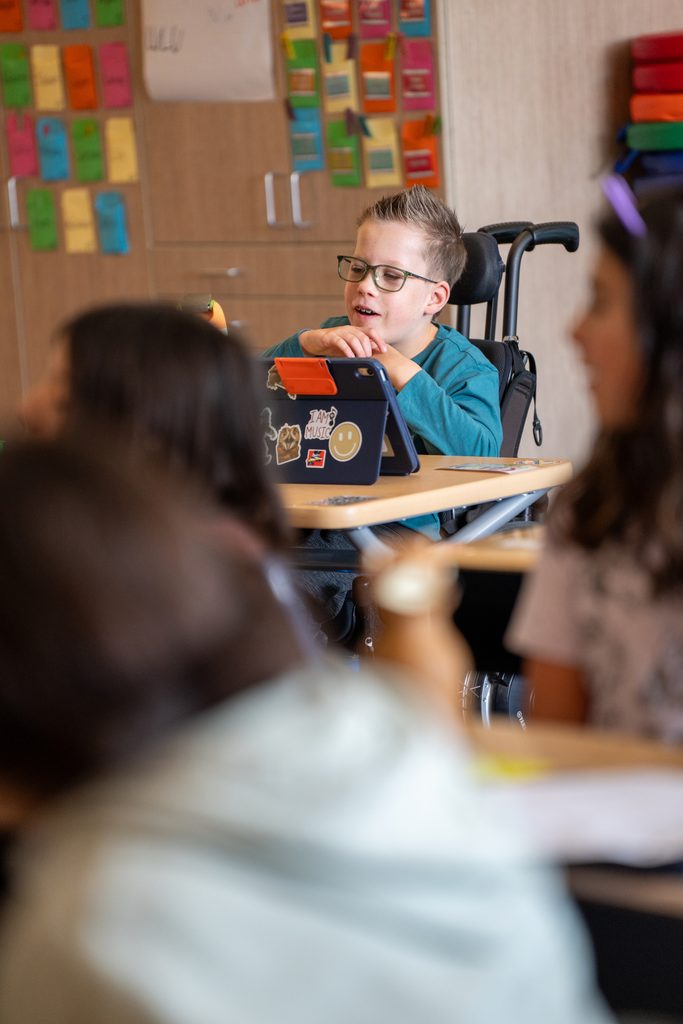
Before I left, Miles told me he already had another idea. An accessible water park.
He’s in fourth grade. I went to Mead to ask him about a playground he’d already helped build and the story he had published. I left wondering what will be next for Miles and the story he is telling through his life.